As a Hispanic, and first-generation college student at Gonzaga University, I have come to understand that representation is more than visibility, it is responsibility. Being a positive role model within my campus community, athletics, and student organizations matter deeply to me because I know firsthand how powerful it is to see someone who refletcs your own story succeeding in spaces where you once felt uncertain.
When I first arrived at Gonzaga, I carried both a sense of pride and pressure. Pride in my heritage and family’s sacrifices, and pressure to succeed in environments where Hispanic voices have historically been underrepresented. In classrooms, on campus, among colleagues, and in leadership spaces, I found myself aware of the importance of showing up fully and authentically.
My involvements in athletics and The Women’s Network Gonzaga Chapter have strengthened this commitment. Through The Women’s Network, I have seen a meaningful increase in Hispanic women joining and participating. Watching that growth has been incredibly rewarding. It reinforces that representation creates ripple effects. When we share our experiences openly, we create belonging where there once may have been hesitation.
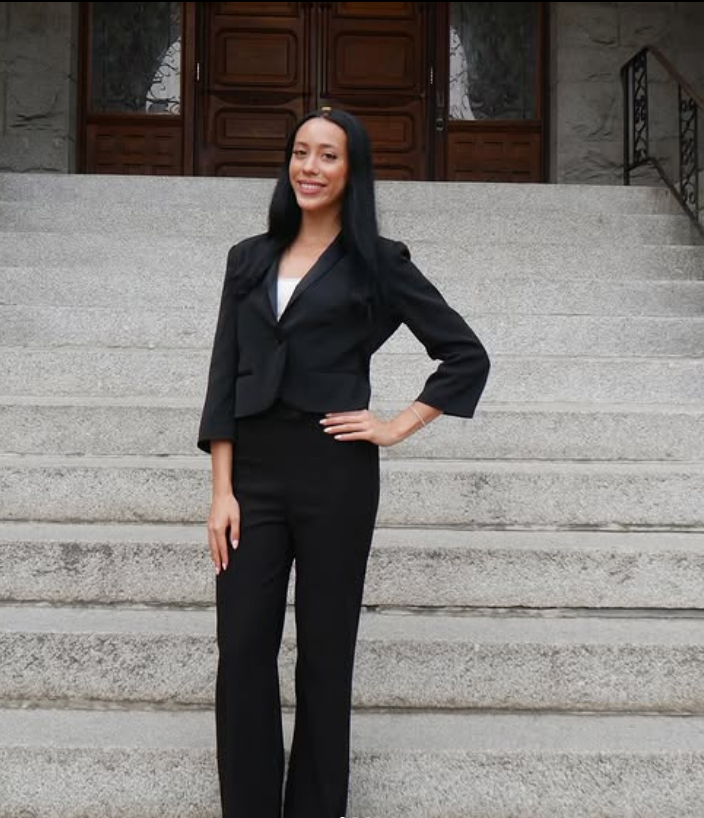
Executive Board Photoshoot for The Women’s Network of Gonzaga University, first photo as President of TWN. All media images taken by Zola Barnwell.
In athletics, I strive to lead with integrity, work ethic, and humility. I want younger students, especially Hispanic student athletes, to see that they too belong in competitive, high achieving spaces. I have found while at Gonzaga University that strong leadership requires embracing my cultural identity, as it makes me a more authentic and impactful leader.
This commitment connects directly to my long-term goals in political science and advocacy. Systems of power shape opportunity, and I believe change begins both structurally and personally. By showing up as a confident, community-oriented Hispanic woman, I am to challenge narrow narratives of who “belongs,” in leadership. Representation alone is not the solution to inequity, but it is a constructive starting point.
 Ashlinn Aguayo